Disaster Scout was built because finding emergency information shouldn’t require knowing how the emergency management system works.
Important information already exists across emergency services, weather agencies, government systems and other public sources. The problem is that it can be spread across different websites, maps and platforms depending on where you are and what’s happening.
Disaster Scout is building a simpler way to navigate that information — bringing official warnings, incidents and useful context together while keeping the original source visible and accessible.
We don’t issue official warnings and we don’t replace emergency services. We amplify public information and help people make sense of what’s happening around them.
What we believe
-
Emergency management can be incredibly complex behind the scenes. The person receiving the information shouldn’t have to carry that complexity with them.
If something is technically correct but people can’t understand what it means or what they’re supposed to do with it, we haven’t finished the job.
-
We’re not interested in preparedness that only looks good in a strategy document, workshop report or folder on someone’s desktop.
We care about what someone can actually use when the power is out, the warning has changed, the kids are somewhere else, the cat has disappeared under the bed and everyone suddenly needs an answer.
-
Fear might get someone’s attention, but it’s a terrible long-term preparedness strategy.
We’d much rather help people understand their risks, make sensible plans and build enough confidence that they can act when they need to without living their lives waiting for something terrible to happen.
-
People don’t experience emergencies according to agency boundaries, organisational charts or who technically owns which piece of information.
They experience one situation happening to their family, their home, their business or their community.
We believe emergency information and preparedness should be designed around that reality.
-
We care about how things look, feel and work because design affects whether people engage with information in the first place.
A warning can be accurate and still be difficult to understand. A preparedness resource can contain everything someone needs and still be so overwhelming they never open it again. A digital platform can have all the right data and still make people work far too hard to find what matters.
Good design isn’t decoration. It’s part of making information useful.
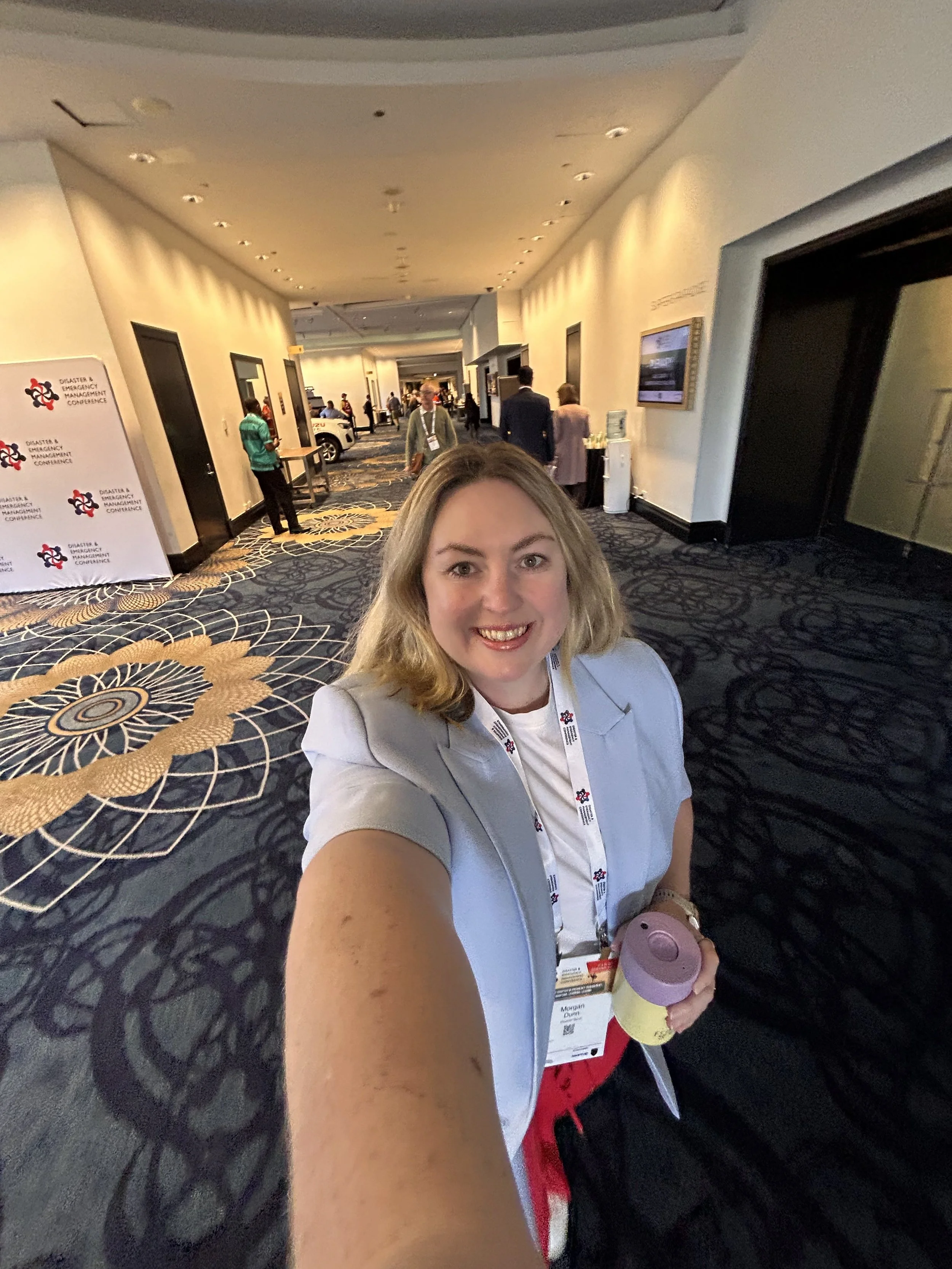
Founded by Morgan Dunn
Disaster Scout was founded by Morgan Dunn, whose background spans emergency management, public information and warnings, emergency communications, intelligence, operations and crisis communication.
After years working inside emergency services and seeing how public information is created, distributed and used during incidents, she started building Disaster Scout to make that information easier for people to navigate outside the system.
Disaster Scout now operates across Australia and Canada and is growing as an independent disaster-information technology company.
Connect with Morgan on LinkedIn